
Small Estate Affidavit
No court. No hearing. One flat fee.
If the money is in a bank or brokerage account and the estate qualifies under Probate Code §13100, you don't need a probate case at all — a signed affidavit is enough. We prepare it, a licensed LDA reviews it, and we check first that it actually fits your estate.
$200 flat · No court · No hearing
Free · 5 questions · No payment to check
Everything to collect the account — done for you.
The affidavit itself is simple. Knowing exactly what each institution needs, and whether §13100 even fits, is where most people get stuck.
📝 The §13100 affidavit, prepared for you
Court-ready, no filing, no hearing — a licensed LDA prepares and reviews it before it reaches you.
🏦 Every institution identified
We identify each bank, brokerage, or holder that needs the affidavit and exactly what each one requires to release the funds.
✅ A fit check, not just a form
We check that §13100 actually fits your estate first — under the statutory limit, no real property, the right waiting period — before you sign anything.
A blank affidavit isn't the hard part.
Anyone can download a §13100 template. Knowing whether it fits your estate — and what each bank actually requires — is where a template leaves you on your own.
- You get the form, then identify every bank or brokerage holder yourself
- You discover medallion-guarantee and notary rules the hard way
- You order certified death certificates blind, hoping you got enough
- No one reviews it before you sign
- No check that you actually qualify for §13100
- A licensed LDA prepares and reviews the affidavit
- We identify every institution and exactly what each one requires
- We tell you how many certified death certificates to order
- We flag it if §13100 doesn't actually fit — so you don't sign an affidavit you can't use
A real California LDA behind every filing.
ProbateClear isn't a faceless app. Your documents are prepared and reviewed by registered, bonded California Legal Document Assistants — professionals who do this every day.

I became a founding partner because ProbateClear does the heavy document lifting — so I can focus on what families need most from me: careful review and a steady hand through the process.
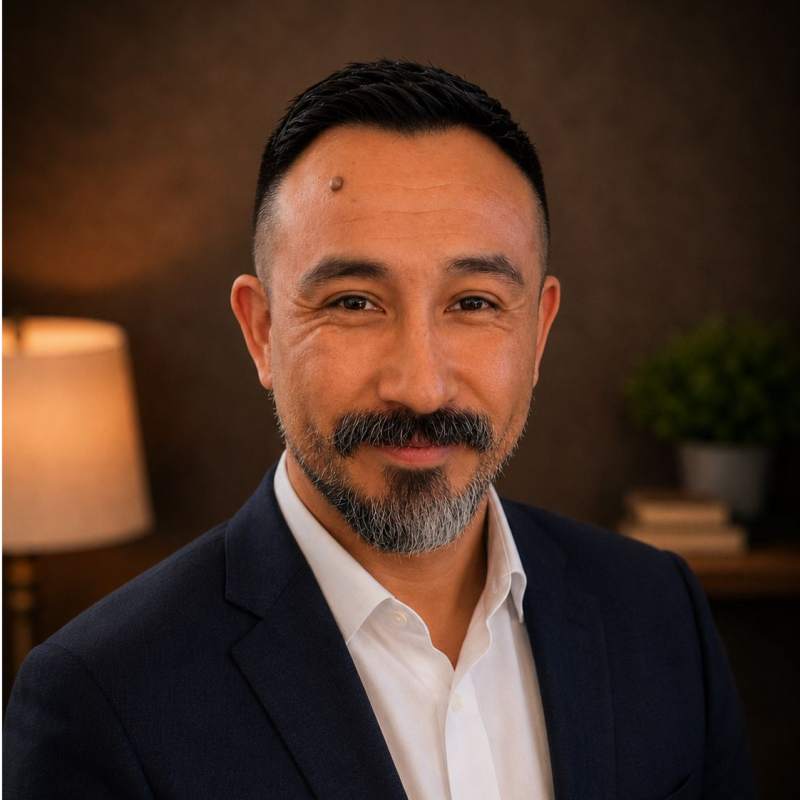
Probate paperwork rewards structure: the right documents, prepared correctly, filed on time. That's the discipline I built over a career in IT and project management — now in service of families.

After years inside law firms, I watched families pay full attorney rates for paperwork that never needed one. For a straightforward estate, that money should stay with the family — and that's what I get to protect here.
Small Estate Affidavit, §13100 — plain language.
What is a Small Estate Affidavit under Probate Code §13100?
It's a sworn declaration that lets you collect a decedent's personal property — bank accounts, brokerage accounts, retirement funds — directly from the institution holding it, without opening a probate case in court.
Does my parent's estate qualify?
Generally: the total value of the California personal property subject to probate is under the statutory limit, no real property is involved (or it's handled separately), and at least 40 days have passed since death. We confirm your specific numbers during the 2-minute check.
How long does it take?
There's no court filing and no hearing — once the affidavit is prepared and signed, you present it directly to the bank or brokerage. Most families are done within a few weeks of ordering their certified death certificates.
What if my estate doesn't actually qualify?
We tell you before you sign anything. If §13100 doesn't fit — the estate is over the limit, or real property is involved — we'll flag it and point you to the path that does fit, no upsell.
Take 2 minutes. See if you qualify.
Answer five quick questions and we'll tell you whether the Small Estate Affidavit fits — and what it costs. No payment to find out.