
Someone on your deed died?
Update the title without probate.
When the title was held in a survivorship structure — joint tenancy, community property, a TOD deed, or a living trust — you update the deed with a single recorded affidavit. No court. No attorney. Often within a few weeks.
See which path fits your situation in 2 minutes.
Free · 5 questions · No payment to check
Four California paths for updating a deed after death
Which one fits depends on how title was held. All four record a single affidavit — no court hearing.
What the affidavit does
Once recorded with the county, each affidavit updates the official ownership record so the deceased is no longer on title. Banks, title companies, and county recorders accept these as proof of the change.
Affidavit of Death of Joint Tenant
Removes the deceased joint tenant from title. The surviving joint tenant takes 100% ownership by right of survivorship — automatic under California law.
Affidavit of Death of Spouse
Establishes that community property passes to the surviving spouse on the deceased spouse's passing, and updates title to show the surviving spouse as sole owner.
Affidavit of Death of Transferor
Activates the transfer-on-death deed the deceased previously recorded. The property transfers to the named beneficiary, outside of probate.
Affidavit of Death of Trustee
Confirms the successor trustee's authority so the home held in the living trust transfers to the named beneficiaries — no court, no probate.
Documents you'll need
For any of the four affidavits, you'll gather just a few things.
- A certified copy of the death certificate
- A copy of the current deed showing how title is held
- Property details — address and APN (we'll help you find it)
- Identification of the surviving owner or beneficiary
Flat fee. Everything included.
One flat fee per affidavit — no hourly billing, no charge per owner or property.
County recording fees (typically $25–$100, depending on the county) are paid separately, directly to the county recorder.
Three steps. No legalese.
Tell us what happened
Talk it through with a real person, free — or answer five plain-language questions and see which path your situation qualifies for. Either way, nothing to pay to find out.
We prepare the documents
We generate your filing-ready paperwork, and a California-registered Legal Document Assistant reviews every document before it reaches you. Revisions are included.
You sign, we file & serve
Your LDA files with the court and serves every person the statute requires — the part self-filers most often get wrong — then tracks the case to the signed order. You are not calling the clerk. On the no-court paths there is nothing to file or serve: we build the recording packet to your county’s rules, and you can record it yourself or we can.
A real California LDA behind every filing.
ProbateClear isn't a faceless app. Your documents are prepared and reviewed by registered, bonded California Legal Document Assistants — professionals who do this every day.
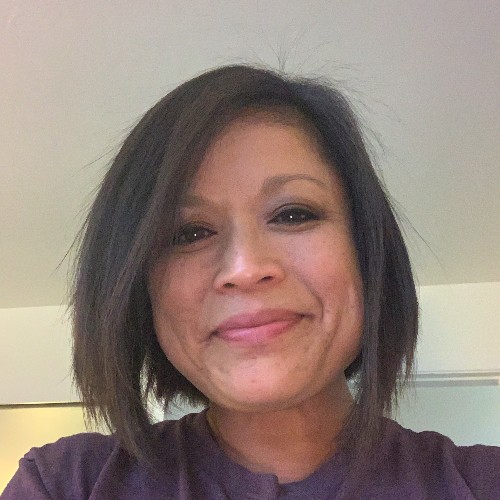
I became a founding partner because ProbateClear does the heavy document lifting — so I can focus on what families need most from me: careful review and a steady hand through the process.
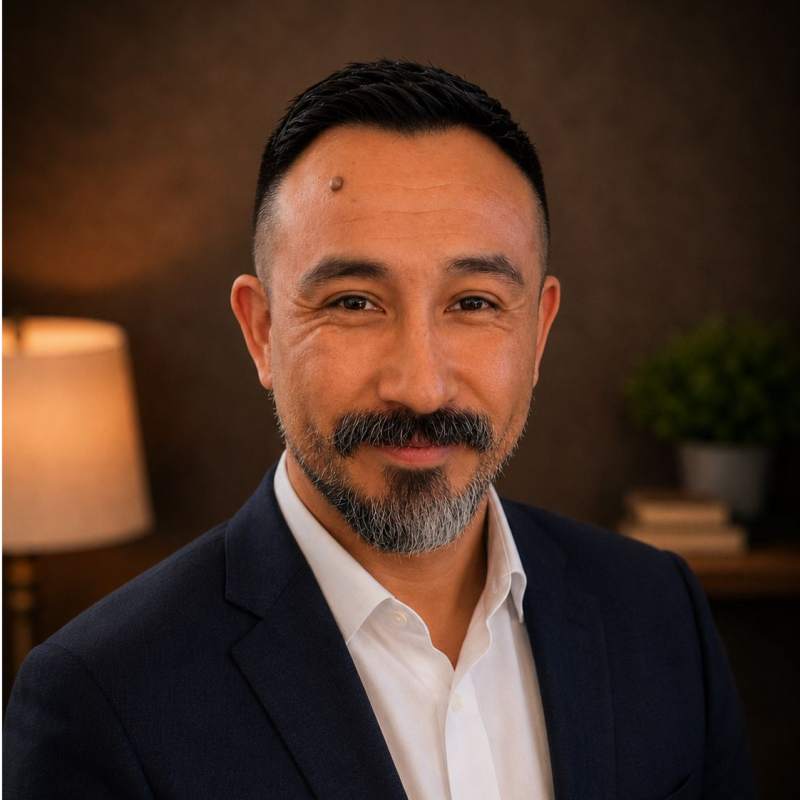
Probate paperwork rewards structure: the right documents, prepared correctly, filed on time. That's the discipline I built over a career in IT and project management — now in service of families.

After years inside law firms, I watched families pay full attorney rates for paperwork that never needed one. For a straightforward estate, that money should stay with the family — and that's what I get to protect here.
Start with the first-30-days checklist.
A calm, plain-English guide to settling a California estate in the first 30 days — what to handle, and in what order, so you always know your next step. We'll email it to you.
Take 2 minutes. See what fits.
Answer five quick questions and we'll show you exactly which affidavit updates your deed — and what it costs. No payment to find out.